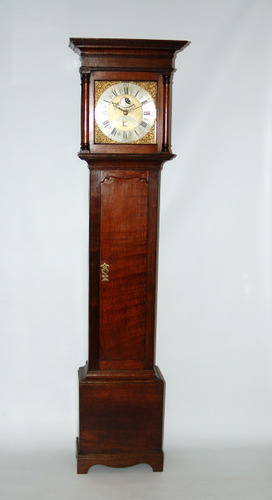
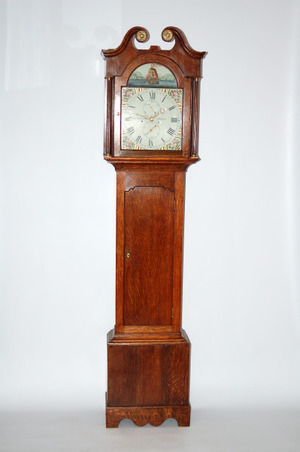
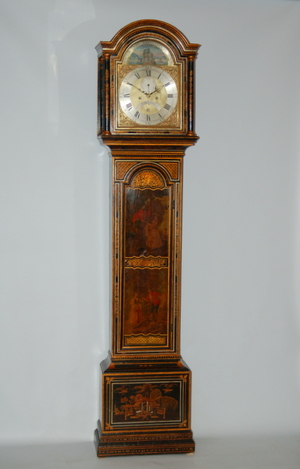
Superb brass dial Longcase Clock C.1780 by Lawrence Dalgleish of Edinburgh.Lovely flame mahogany veneered cabinet. Featuring ‘8-day’ duration movement.The arch brass dial with chapter ring and spandrels. Also with polished and engraved centre. Together with centre date, seconds feature, and strike/silent to arch.
Silver looking around for that ideal stocking filler.
Have you ever been completely lost over what to get your loved one at Christmas?
If so you are one of millions of us rushing around at the last minute with no clue of what to get?
We usually spend hundreds of pounds on something that will be forgotten within a few days. How about some suggestions that will be a memorable present for many years to come ?
Everyone has a budget at Christmas. I will be looking a various options from a few hundred pounds to a few thousands pounds for those with bigger pockets. Maybe for ones like me that tend to save up and buy something really special once a year as a special treat.
Under 500£ Presents
Lovely Art Nouveau Balloon clocks can be a wonderful Christmas gift. Fully restored examples in top condition and of the best quality can be found at under 500£. These lovely little clocks will give years of superb service. Always reminding the person of the day they receive this lovely gift.
Under £1,500 Presents
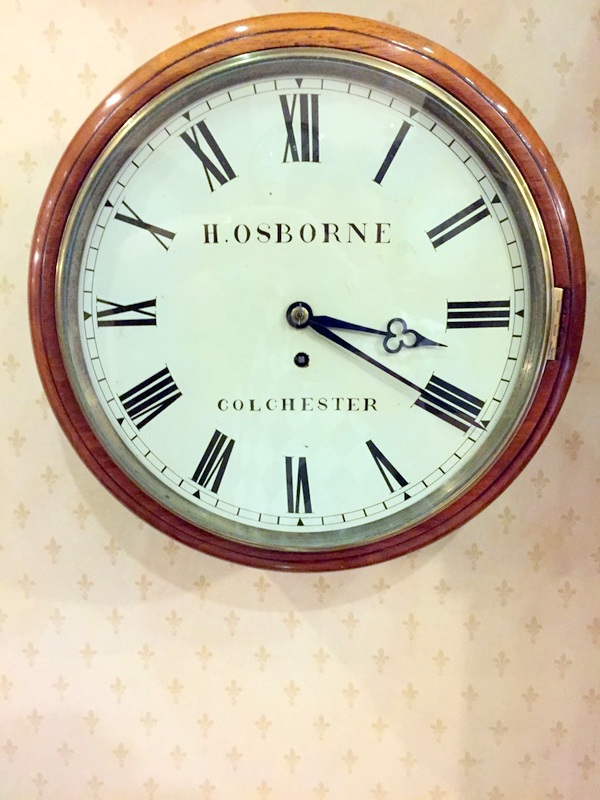
Antique pre c1900 Fusee wall clocks that have been overhauled and are in showroom condition are fantastic gifts. The earlier type can go from around £1,000 to £1,600. If you want to stretch the budget you can go for a smaller dial example. Convex dials or even rarer large face dials with fusee movement which all are more expensive.
Under £3,000 Presents
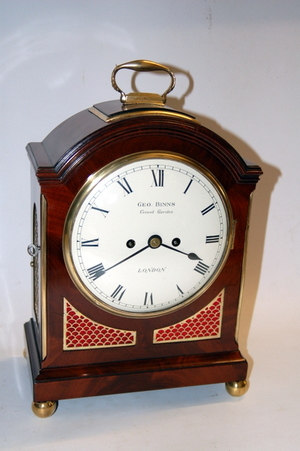
For under or around £3,000 you can get a large selection of early or mid 19th century fusee timepiece bracket or skeleton clocks.
Under £7,500 Presents
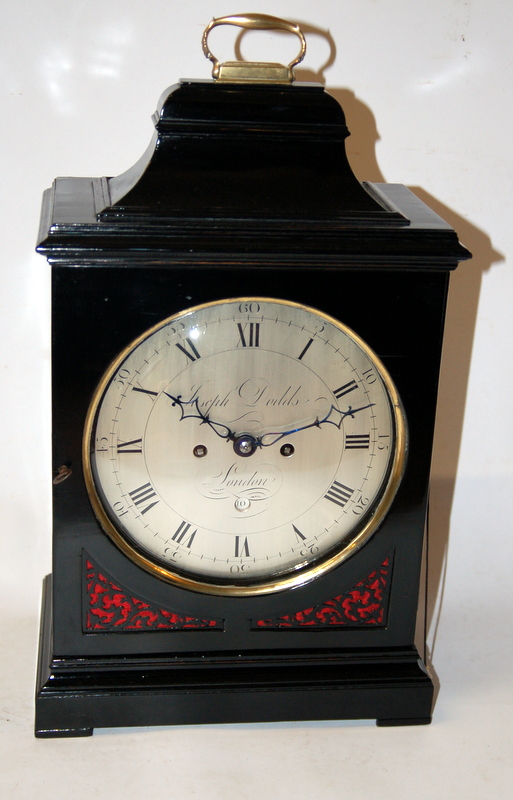
These superb fusee bracket clocks would be a lovely addition to any home. Woods from mahogany to walnut to ebonized fruitwood can be found on these examples. Most movements are of 8 day fusee type.
From £3,000-£30,000 Presents
Antique grandfather clocks form an amazing addition to any home. They truly are the centre piece. Owning a lovely restored ticking antique grandfather clock is like having someone nice coming to stay with you.
I hope some of these pictures give you the inspiration this Christmas for that really special gift. If not for Christmas then for that special anniversary. Have a part of our nations history ticking away in your home very soon, you won’t regret it.
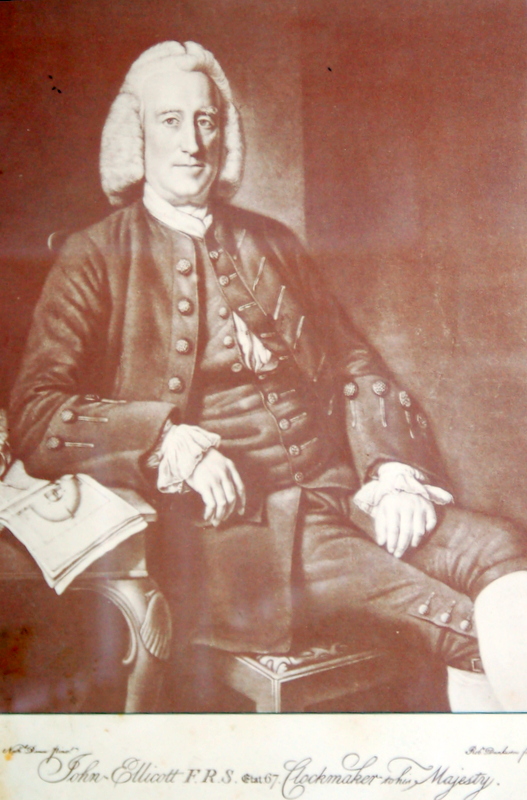
John Ellicott , father, son and grandsons were amongst the finest antique clock makers of the 18th century.As a result I am going to dedicate this blog to them. We are lucky to have 2 amazing examples in stock by these great clockmakers. One of them an outstanding GIII mahogany bracket clock signed John Ellicott London. This dates from just before C1760. In 1760 John Ellicott FRS took into partnership his son Edward. Edward also was a fantastic clockmaker and the way they signed their names then changed. Edward Ellicott also became Master of the Clockmakers Company.
Master of the Clock Maker’s Company
Prior to 1760 Ellicott clocks were signed John Ellicott London. 1760 to 1769 Ellicott clocks were signed just Ellicott. From 1769 to 1788 this was changed to John Ellicott and Son. These facts you can see this outstanding grandfather clock dates from 1760-1769 as it is signed just Ellicott. I would expect it to date from the start of the partnership between John and his son Edward, probably around 1760. The cabinet is of beautiful burr walnut and wonderfully decorated.
Royal Exchange London
This clock above is by John Ellicott’s son probably the most famous of all the Ellicott family of clockmakers, John, FRS. John’s father also John came to work in London around C1690. He started his apprentaship and subsequently moved to the Royal Exchange, St. Swithins Alley. He set up shop around the beginning of the 18th century. John Senior was a very fine clockmaker, he worked in St Swithins Alley until his death in 1733. His father must of passed considerably knowledge to his son. In 1728 John FRS was seen to be working with his father at these premises.
Academically Brilliant
John’s son was reportedly academically brilliant and also very highly skilled with his hands. It is remarked in many text books that there were few men of his equal in this regard. Just after his fathers death in 1733, in 1738 he was elected to the Royal Society. This was an immense achievement. He had some really important and influential sponsors for this position.
Fellow of the Royal Society
Ellicott carried out some important work and research in this role. He looked at various things like the effect of two pendulums upon each other. Also the variability of the length of a pendulum with latitude. It is without doubt though many people who remember Ellicott will remember him for designing what I call the ‘Ellicott Pendulum’. An amazing compensated compensated pendulum. He worked to try and eliminate the disadvantages of the grid iron pendulum, Harrison invented.
Ellicott Pendulum
Ellicott pendulums were an amazing feat of engineering. They worked to very high standards. As a result far exceeding anything else of the day. These pendulums were very complex to make though and therefore expensive. Not many clocks still exist today with one of these pendulums. Ellicott’s work was always to the highest of standards and the antique bracket clocks pictured here is of the finest quality workmanship. Superb verge escapement, delightful engraved backplate and three train quarter striking fusee movement.
In 1760 this famous clockmaker John Ellicott FRS , took his son Edward into the business. Working together until his fathers death in 1772. Edward ended up being a special clockmaker in his own right. He became the Kings watchmaker and was Master of the Clockmakers Company. Edward died in 1791 and the business continued with Edward’s son, Edward. An entire century of Ellicott’s, a clockmaking dynasty. Clockmaking did run in familys’ but none left their mark as great as the achievements of this family. They always strived to better on what had been achieved before.
Clock Making Dynasty
Can I think of a clockmaking family as well regarded. I do not think so, as a result an entire century of the finest antique clocks. The antique grandfather clock pictured below is an example of the partnership set up with John FRS and his son Edward in C 1760, as the dial is signed just Ellicott. The cabinet is the finest decorated cabinet I have ever seen.
I hope you have loved reading about the clockmaking family Ellicott of London , they were truly great and made some of the finest antique clocks ever built. A clockmaking dynasty that will never be repeated.
We have been in the antique clock business for over 40 years. It is true to say enamel dial antique clocks are rare. You can see them occasionally on bracket clocks in the 18th century. Searching for examples is hard. It is like finding a needle in a haystack however finding a true enamel dial on a grandfather clock.
True Enamel or Painted Dials
If you undertook a search for enamel dial grandfather clock you will find lots of listings. Dealers loosely apply the term to a standard white painted dial. These clocks with white painted dials started manufacture in Birmingham with Wilson and Osborne from around C1772. It was true to say the Clockmakers Company in the early days frowned on achievements outside London. Clock makers tried and most times failed to make alternatives. One alternative was a true enamel dial. True enamel dials such as the superb example pictured here was made from a mixture of glass, tin oxide, borax, peat ashes and salt.
Hard to fire large pieces of enamel
A complex mix of substances was then melted and turned into moulds to harden. This mixture was then ground to a powder and mixed with water. The enamel was then mixed with lavender oil to make it adhere to the copper dial plate. This mixture was applied to the dial and then the dial was fired at high temperatures in a clay oven. The temperature was carefully monitored and then the dial was cooled very slowly to prevent any cracking.
Time Consuming Process
I hope you agree a process that was very time consuming and complex. To get this to work on a large dial it was very hard. That is why in this case you will see the arch is fired separately. I am sure the risks of cracking with a 12 inch piece of square enamel was a large enough risk. The lovely painted work and decoration you will see on this dial is the result of further firings. Rose Vermillion being one of the hardest colours to apply.
Conclusion
This is an outstanding and very rare clock with a true enamel dial. It has been mentioned the maker of these rare enamel dials was the brother of the famous clockmaker James Tregent. He was called Anthony Tregent. For further information please view the book Theelke, Anthony; Faces of Mystery. This is a lovely flame mahogany veneered grandfather clock with strike silent feature to the arch. The movement is of ‘8-day’ duration and strikes the hours on a single bell. Superb London quality case and typical high quality movement features.
For antique furniture and clocks different types of wood were used in their manufacture. In this handy guide I am going to cover some of the main woods used. These woods can be of solid form but most flamboyant grained woods are used as hand cut veneers. The carcass is generally made from oak or pine in the provinces or oak generally in London.
Woods Used in London and Provinces
In London oak is only used as a carcas material in the 17th and 18th centuries. Whereas in the provinces you will find antique grandfather clocks being made of oak as the finished wood. Clearly oak was veneered on as well, especially in London by English Walnut up to say C1750 . Then from this date fine Honduras and Cuban mahogany veneers are found. On some clocks you will find very early examples to be of ebony construction or ebonized (black stained fruitwood generally)
Chinoiserie Clocks
You can also get oak grandfather clocks in London that were painted and decorated by Chinoiserie or lacquer work. The finest examples were sent out on boats and decorated in China. On some later clocks you will see these veneered in more exotic woods. Rosewood or maple or even ewe wood. I suppose the smaller size means you can use veneers of the more slow growing and smaller trees. With early clocks these exotic woods were used as well in small pieces and matched. We have owned a lovely walnut burr oyster veneered grandfather clock.
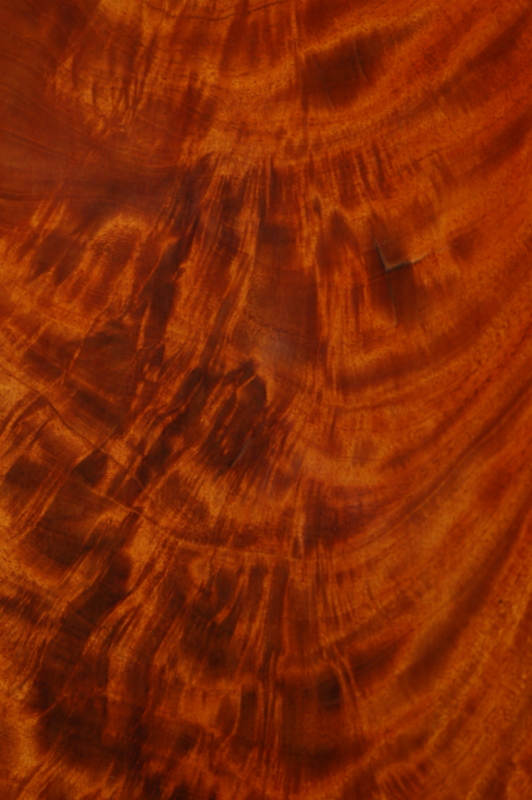
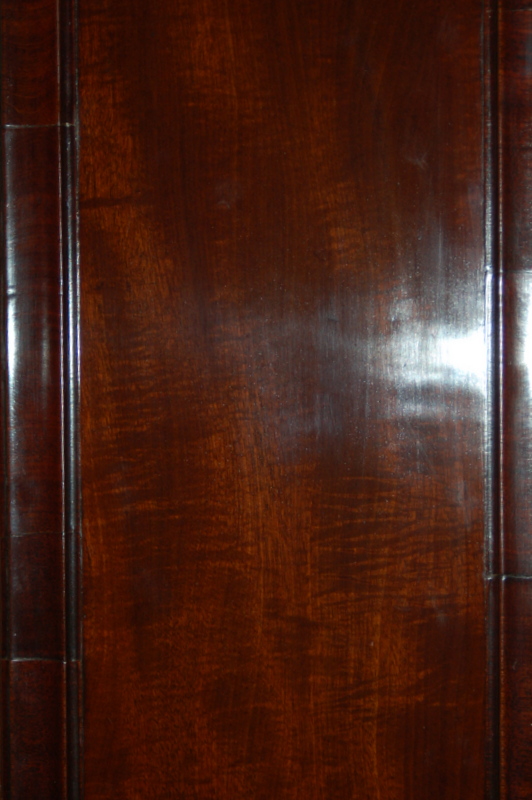
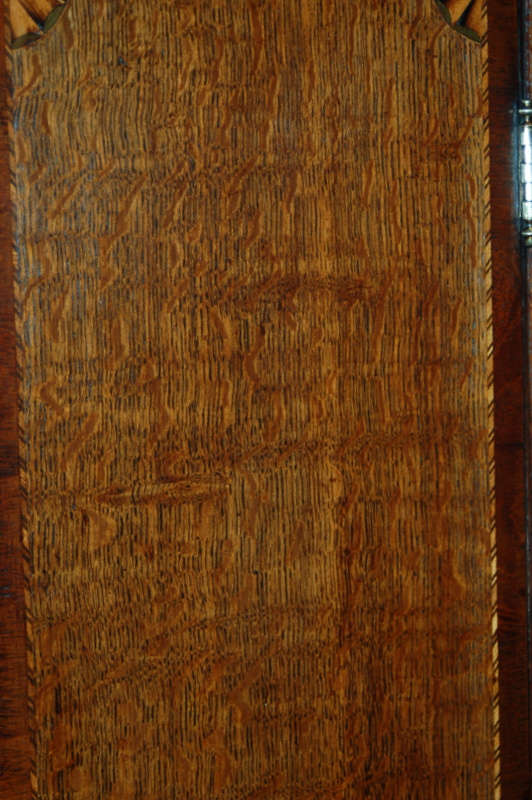
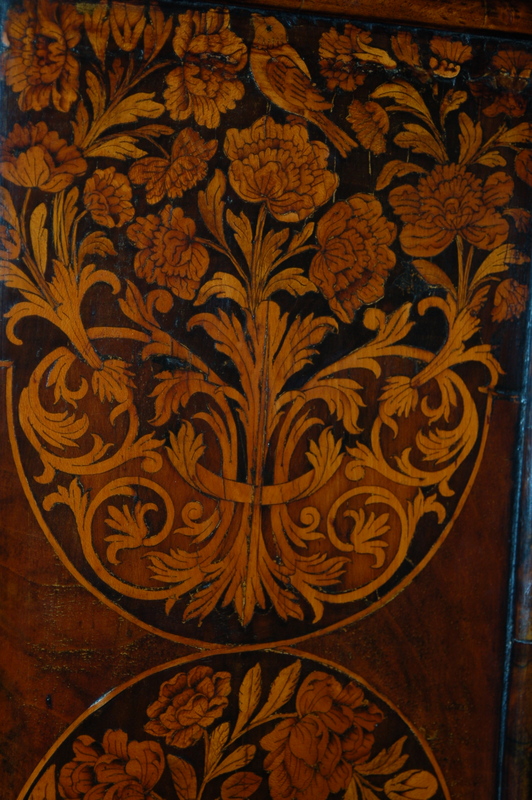
Below is a selection of woods used for antique clocks and furniture during the 17th and 18th and 19th centuries in England. A brief insight into each wood pictured is given. I hope from this blog you will discover what type of wood your clock or piece of furniture is manufactured from.
Honduras Mahogany
Cuban mahoganyPlum Pudding (spotted) mahogany
Mahogany can be a beautiful wood, it starts in the UK being used around C1750 and continues being used throughout the 18th and 19th centuries. Two most common variants are Honduras (lighter) and Cuban mahogany (darker). It is a close grain hardwood coming commonly from the South America or the West Indies type regions. This tree can be found quite wide and so large sections could be veneered with this wood.
Quarter Cut or star-fleck figured oakSolid English Oak
English Oak
English oak is a slow growing and so very heavy wood. Used in construction and veneered some of the time, but it is a beautiful wood in its own right. Oak being so heavy and close grained it is good at preventing things like wood worm. It is one of the reasons why London used it in the construction of its clock cases ahead of pine. Pine is used in the provinces as a rule for carcases as it is cheaper. You will notice the weight difference between an antique clock veneered on oak and an antique clock veneered on pine. Oak just gets better with age and polishing, we call this the patina. Less close grain oak can come from countries like Japan. This wood although called oak, is a far poorer wood to the slower growing English oak.
The climate effects the grain of the wood
English Burr WalnutMarquetry inlay on English WalnutMarquetry on WalnutContinental walnut
Walnut is a lovely wood and English walnut gets used as veneers in antique furniture and clock manufacture up until C1750. After this date most walnut used is Continental walnut. Continental walnut is a quicker growing tree and so the grain is never as fine as English burr walnut. Again English walnut is a very heavy wood with a close grain. The tighter the burr or knot in the walnut the better. Walnut can range in colour from quite light if the sun has taken it, to quite dark. Walnut is used on all of the German wall regulators or commonly called ‘Vienna style’ wall clocks etc through the 19th century.
Satinwood
Satinwood used as a blank canvass to artists
Satinwood being a very light wood was used towards the end of the 18th centuries and early 19th centuries in the main. Many expensive pieces are manufactured with Satinwood veneers. We have some Pergolesi painted tables with satinwood veneers. I suppose the light colour makes the painting stand out better.
Pine
Pine, many of you will be familiar with this wood. It is rare to see a surviving antique grandfather clock made in this wood like the above. It was prone to woodworm unfortunately. Some were painted and this helped preserve them.Many provincial cabinets were constructed out of pine and then veneered. Pine is also used alot today as it is a relatively cheap wood, unlike oak. Clearly as you can see from the grain and if you lifted it from the weight , it is a fairly quick growing tree.
Lacquer or Chinoiserie
Oak can be veneered or painted
Oak was only used on internal construction of cabinets of English London clocks. When this wood was used and if it is not veneered in London you will find it sometimes decorated with lacquer work or Chinoiserie. This is gold leaf and gesso. The best types of these works are seen when they were sent out to China in the early/mid 18th century and decorated their.
I think I have covered the majority of main woods used in English cabinet making. There are others like ewe wood, maple , elm, fruitwood and rosewood. These are not covered as they are used alot less. I hope this blog has been of help to you. If you are still struggling with finding out what wood your clock or piece of furniture is made from, please send me a picture to PendulumClocks@aol.com
So you have finally managed to take the plunge and purchase your antique clock. There are many antique clocks available on the market but not all are original examples. There is nothing worse than spending lots of hard earned money on something that you later find out to be not what you originally thought. Regularly you will only find out something is amiss when someone knowledgeable visits your home. I have had to break bad news when asked for my comments on many occasions.
When buying an antique clock to purchase from someone you can trust. Finding someone like this is never easy. Try and find someone who is long established and are specialists in this field. Maybe they will offer you a money back guarantee. You should then have peace of mind.
Some restoration will have been carried out on all antique clocks. This should be sympathetic restoration though and not major surgery. I have devised some basic things to look out for below.
Genuine London Antique Clock C.1770
Look. Smell. Feel.
Probably the most common part of an antique grandfather clock to have been replaced is the base of the clock. Clocks used to stand on cold, damp floors, and many bases simply rotted away or were attacked by the dreaded woodworm. Clearly the bottom feet or plinth is an acceptable part of restoration but not the entire base section. Easy signs of new bases are when the wood does not match the trunk door. If the figuring of the wood and colour is different be-ware.
On London and south country clocks the backboard should be old and full length. If the backboard is rotted at the bottom and stops way short of the bottom, this is something to be careful of. If the backboard has rotted away, how much of the base has been rebuilt? In North country clocks, backboards can be made in two pieces from the later part of the 18th century.
Style Issues
Movements have sometimes been replaced. Make sure the case style corresponds to the makers location. i.e. London mahogany clocks do not have swan neck pediments but dome or pagoda tops. You can look at some good reference clock books for information on what clock cases should look like for different areas of the country. Each area of the UK in the 18th century had a distinctly different style of cabinet feature. For instance London clocks do not use simple oak cases but these are either veneered in walnut, ebony, mahogany or decorated with chinoiserie.
Look for Spare Holes
Does the dial belongs to the movement? Are there any spare holes in the front plate where another dial has been ? If the clock has a brass dial, this is attached directly to the front plate. Not by means of an iron false plate. (as used on white painted dial clocks) The winding holes on ‘8-day’ clocks are well placed within the centre of the dial These do not spoil the engraving or chapter ring.
Dial Features
If the clock is an ‘8-day’ example that the clock has a second hand. 99% of all ‘8 day’ clocks should have a second hand to just below the 12 0’clock position. If there is an obvious reason why a second hand cannot be fitted like a ‘penny moon’ feature then this is OK. As a rule though ’30Hr’ clocks do not usually have second hands, and so if the clock has had a later ‘8-day’ movement fitted this is why you should wonder why there is no second hand.
Does the age of the movement corresponds to the age of the cabinet? All dials have dating features, for instance inside quarter divisions, type of spandrels. You can date these very easily with good reference books. English walnut cases date from the 17th century up to about 1760. Mahogany cabinets date from about 1750 onwards. Oak cabinets tend to run straight through the 17th and 18th and 19th century’s.
Any Packing Under Seatboard?
Look for any obvious packing under the seat-board that cannot be accounted for? If the seat-board is old and warped ? A small piece of packing may be necessary.
Prior to 1820 all English antique clocks movements should strike on a bell and not a gong. Gong striking is popular around C1900.
Look for rub marks from where the weights and pendulum have banged over the years. If you see 1 smooth rub on inside under trunk door and your clock has 2 weights, this is not a good sign. If there are marks on backboard far away from where pendulum is hanging, and the clock is keeping time. Ask what would have caused these marks.
If the pendulum feather has been changed for a stiffer example, the pendulum height can change slightly This should only be a slight change.
Fitting Issues?
Investigate whether the dial fits the mask correctly and there are no large gaps. The size of glass should be similar to the size of the dial.
Is the face made from 1 piece of brass? This brass prior to C1800 will be cast brass and so thick and thin. The arch section of the dial should be from the same section of brass. If a square dial is later converted to an arch dial case, this is why some dials are made of two pieces.
Carved Cases?
Finally I have never seen an original fully carved pre C.1820 Longcase clock. The Victorians loved later carving GIII clocks though, and so beware buying one of these examples. Later carving would dramatically effect the clocks value.
Conclusion
I wish you luck in your search. Buying from a recognized antique clock dealer may be slightly more expensive but you will get peace of mind. You should aim to get a money back guarantee that your clock is a genuine antique and a fully working example. It is easy to spend your good money buying a clock with a chequered history. Please take your time and not rush into a decision you will later regret.
As they say an antique clock is for life and not just for Christmas. In our business we say, hard to find easy to sell. Original examples will provide you will years of pleasure and a good solid investment, Pendulum of Mayfair only sells top quality examples.