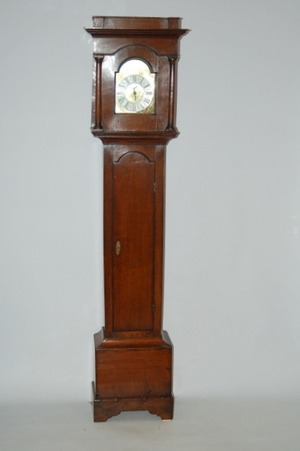
A fine colour and patination country oak clock by Katterns of Thrapston. The 1 day brass dial movement striking the hours on a single bell. Also with elegant and unusual design oak case of small size C1780.
A fine colour and patination country oak clock by Katterns of Thrapston. The 1 day brass dial movement striking the hours on a single bell. Also with elegant and unusual design oak case of small size C1780.
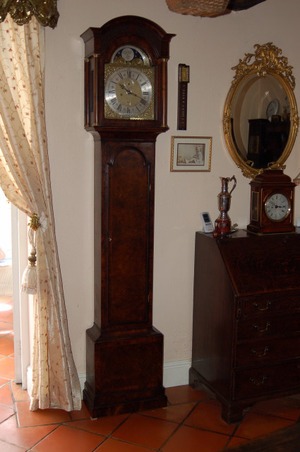
A superb walnut veneered ‘8-day’ duration longcase clock. Moon phase example by Samuel Guy of London. Fantastic quality arched brass dial with finely matted centre. Furthermore the dial with chapter ring/spandrels.In addition moon to arch and wheat-ear engraving to border of dial. Also with seconds and calendar and alarm feature to centre of dial. Certainly a fine quality movement striking hours on a single bell.
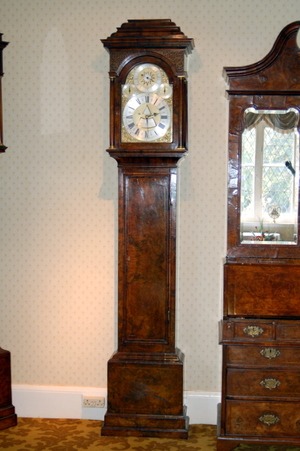
‘Equation of Time’ year calendar clock. Featuring the finest quality movement by John Topping of London. Also with superb London burr walnut figured cabinet. Showing high quality London features. The complex month duration movement with chapter ring and spandrels. Additionally unusual large seconds to the arch. Year calendar with equation of time calculations to the engraved silvered dial.
Lovely quality finely matted centre. also with rise and fall of pendulum dial and strike/silent dials to the arch. Amazing movement design striking the hours on a single bell.

Featuring a one weight, 2 spring quarter striking Viennese wall clock. Shown here with one piece signed porcelain dial. ‘2-day’ duration. Rosewood and box strung cabinet.
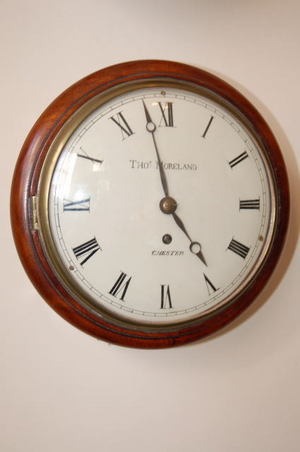
A good mahogany fusee dial clock. Featuring ‘8-day’ duration movement by Moreland of Chester. Also the 8 inch convex dial with Roman numeral. Furthermore the cabinet with cast brass bezel. To sum up a lovely collectible timepiece clock.

A good quality 2 piece porcelain dial wall regulator. Also with month duration movement. Featuring the finest burr yew wood veneers. To sum up a fine high quality precision clock.
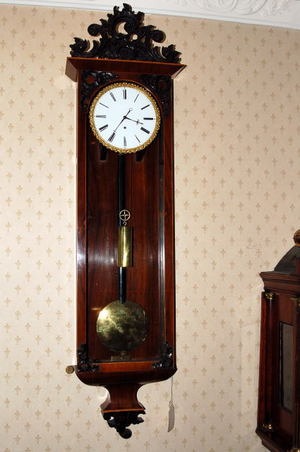
Shown here a superb Austrian single weight wall clock. Featuring elegant case and ‘8-day’ duration

If so you are one of millions of us rushing around at the last minute with no clue of what to get?
We usually spend hundreds of pounds on something that will be forgotten within a few days. How about some suggestions that will be a memorable present for many years to come ?
Everyone has a budget at Christmas. I will be looking a various options from a few hundred pounds to a few thousands pounds for those with bigger pockets. Maybe for ones like me that tend to save up and buy something really special once a year as a special treat.


Lovely Art Nouveau Balloon clocks can be a wonderful Christmas gift. Fully restored examples in top condition and of the best quality can be found at under 500£. These lovely little clocks will give years of superb service. Always reminding the person of the day they receive this lovely gift.
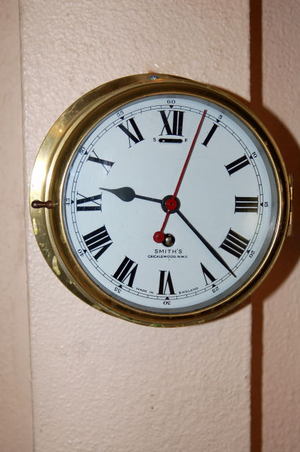
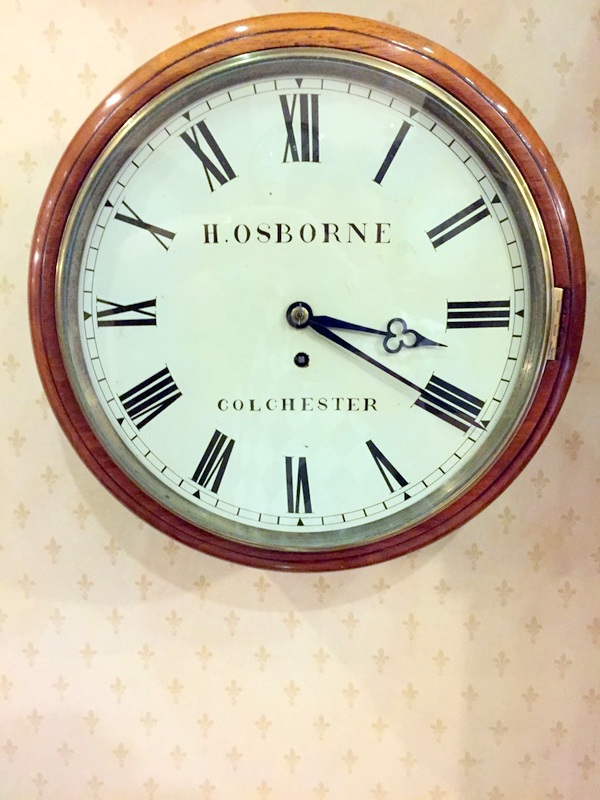
Antique pre c1900 Fusee wall clocks that have been overhauled and are in showroom condition are fantastic gifts. The earlier type can go from around £1,000 to £1,600. If you want to stretch the budget you can go for a smaller dial example. Convex dials or even rarer large face dials with fusee movement which all are more expensive.


For under or around £3,000 you can get a large selection of early or mid 19th century fusee timepiece bracket or skeleton clocks.
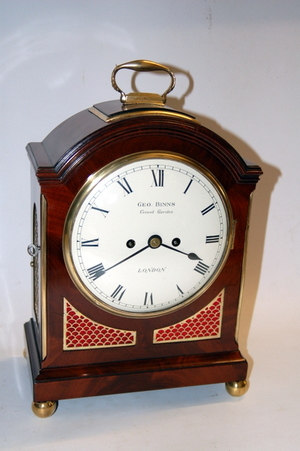
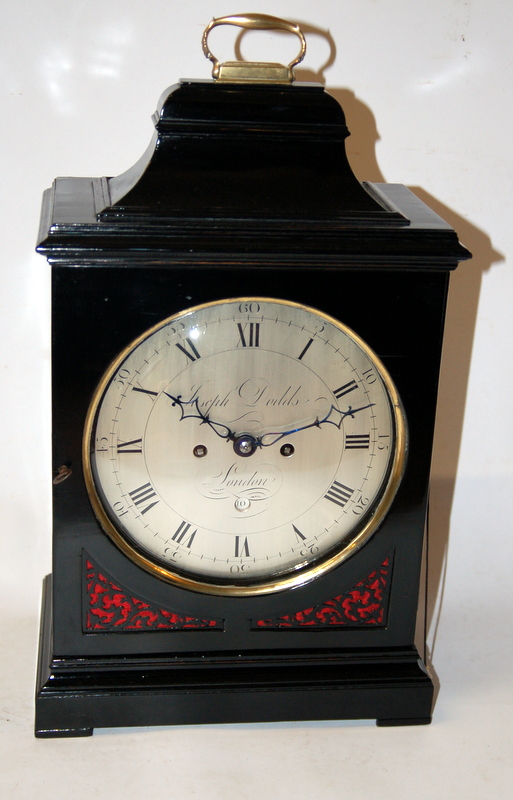
These superb fusee bracket clocks would be a lovely addition to any home. Woods from mahogany to walnut to ebonized fruitwood can be found on these examples. Most movements are of 8 day fusee type.
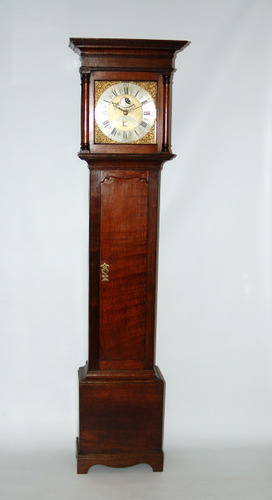
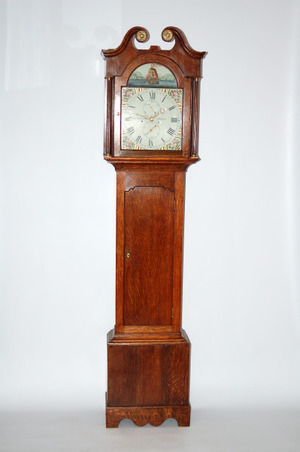

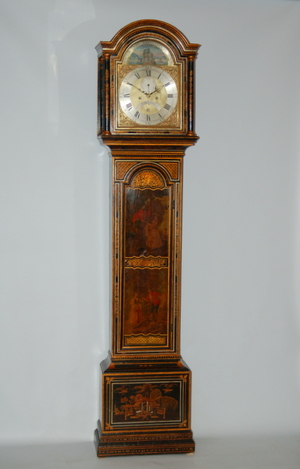
Antique grandfather clocks form an amazing addition to any home. They truly are the centre piece. Owning a lovely restored ticking antique grandfather clock is like having someone nice coming to stay with you.
I hope some of these pictures give you the inspiration this Christmas for that really special gift. If not for Christmas then for that special anniversary. Have a part of our nations history ticking away in your home very soon, you won’t regret it.
Daniel Clements

The name John Harrison clockmaker will ring a bell with lots of people. Those in particular interested in antique clocks. Harrison was a special person. These people only ever come round ever generation or so. He was self educated and he started out on his journey as a humble carpenter. It was his love for clocks that made his so well known. John Harrison dedicated his life’s work to solving the longitude problem.
It was fairly easy to find out ones latitude while at sea. Finding your Longitude was not easy in the 18th century. The problem of finding ones Longitude at sea was of vital importance. Our British Parliament in 1714 offered a prize for doing so. This was comparable to nearly 3 million pounds in today’s money to find a solution. Many sailors had lost their lives by miscalculating their position by not knowing their exact longitude. It was Harrison who eventually collected this prize. His clocks are able to be viewed at Greenwich National Maritime Museum. The advent of the marine chronometer as we know today could not really have been carried out without the input and development of various other influential horologist of their time.
John Campbell Marine Chronometer.
One of the first attempts to invent a marine chronometer was made by the inventor of the pendulum clock, Christian Huygens, in 1675 he invented a chronometer but after tests it was not found to be accurate enough. Pierre Le Roy’s invented in 1748 the detent escapement. This formed an important part of all later chronometers was also vital in the development of the chronometer. He in-coorporated this detent escapement with a temperature compensated balance and the isochronous (equal time intervals) balance spring. Thomas Earnshaw and John Arnold in 1780 also were influencial in this field. They developed and patented simplified and detached spring detent escapements. They improved the escapements by bringing the temperature compensation to the balance They also improved the design and manufacture of the balance springs.
It is in my view the work started by John Harrison combined with the people listed above and various other individuals like Ferdinand Berthoud in France and Thomas Mudge in Britain that served as the basis for marine chronometers as we know them today. Marine chronometers pictured like the one above by Charles Frodsham can be seen still being used up until the World Wars, many years later. It is not until the electronic era and satellite navigation did these chronometers become retired to their various collectors homes and museums.

There were various difficulties for keeping precise time at sea, these chronometers solved these in various ways. The rolling motion of the boat was not good for these antique clocks and so the clocks movement were housed in a case. This case was attached to a gimbals that kept the movement horizontal under even the worst storm. These can be seen in the picture above and below.
The salt air was also not good for the mechanisms and the chronometers were sealed to be airtight.
Also temperature variations was one of the most important factors to overcome, temperature compensated balances reduced these errors to a minimum.
Spring driven fusee movements also compensated for the changes in the spring tension during the wind of the chronometer.
On a final point the addition of a winding cover to the rear of the brass cover for the movement was also added. On one fateful journey a spider entered the movement of one chronometer and slowed the mechanism. This caused the captain to wrongly position his boat on the charts. The boat hit rocks and many sailors lives were lost. Ever since then a cover was added to prevent this recurring. The picture below shows one way this was achieved. On later models a spring loaded disc was used. This needed to be held back while winding.

Conclusion
The marine chromometer was vitally important in the 18th and 19th centuries and was one of the reasons why this country remained one of the foremost naval powers. Its importance should not be understated.

My last post was about my most special antique clock makers. I jumped to the support of a superb provincial clock maker at the expense of the hundreds of high quality London makers. In no way was I undermining the great London clockmakers though. We sell more London clocks than any others. I must say we all owe a great deal to the formation of the Clockmaker’s Company in London. The Clockmaker’s Company set standards high and as a result we have lots of special clocks. The UK and London became the centre of clock-making in the 18th century. It is something I am very proud of.

I do think there is a place though for the simple 30 hour clock produced in the provinces. London looked down on the simple 30 hour in the 18th century. No 30 hour grandfather clock examples I believe were produced here after the about C1700. They thought the same of oak cabinets. You will not see a genuine oak London longcase clock I believe, all these were veneered in walnut/marquetry or in figured mahogany, or decorated with chinese lacquer work.

The Clockmaker’s Company kept standards in London high. Provincial 30 hour clocks though have a character of there own. In the 18th century you still had to be well off to own a grandfather clock. They were normally the most expensive item in the household.

30 hours clocks can have a single hand or two hands to tell the time. Most examples do not have a second hand. For a 30 Hour clock to have a second hand it would need a extra wheel in its train or it would run backwards.
Original 18th century 30 hour oak or pine clocks that have not been altered or have not suffered from the dreaded rot or worm infestation are rare though, many have lost parts of their bases over the years or had their movements converted from 30 hour to ‘8-day’ examples. Both of these dramatically effects the value and I would not recommend purchasing one of these.

If you own a cottage though there is nothing better than a simple oak ’30-hour’. You will find they will be very reliable and will fit in with the low ceilings in a cottage much better. Most collectible ’30-hour’ grandfather clocks will have either 10 or 11inch dials, this makes them smaller and slimmer than their standard ‘8-day’ equivalent.
Most of these clocks are wound with a rope or chain, since this rope or chain is on a continious loop, the clocks weight is always engaged when winding. This means that the clock will not stop or lose time during winding. This is effectively the same as ‘maintaining power’ on the fine regulator clocks. They will strike on the hour and it is the same weight that drives the time or going side and the striking side. This is partly why the clock will only last one day on a wind. If you put a clothes peg on the flywheel of the strike mechanism, a 30 hour clock would normally last for about 3 days before needing to be wound.
If you do decide to take the plunge and buy a collectible 30 hour after reading this. Make sure you buy from a recognised dealer. They will give you a money back guarantee that the clock is genuine. Remember to enjoy your search for your grandfather clock whether that be a simple 30 hour clock or a ‘8-day’ example.
As with all antique clocks you are only a custodian of them for future generations. They with live long beyond us if cared for properly.